

The New Roadside Drug Testing Scheme and Harm Minimisation Tips
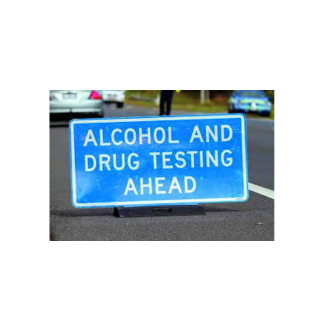
When it comes to reducing the harm of taking illicit drugs or alcohol, there are two ways. The first way (which is not for everyone) is not to do it.
The other approach is ‘The Harm Minimisation Approach’. Harm minimisation is an approach that recognises people are going to engage in risky behaviours (like taking drugs or drinking) and focuses on strategies to reduce harms to the individual and society that are associated with the use of alcohol and other drugs.
The roadside drug testing process will potentially be a stressful experience, especially if someone has an immediate 12-hour driving ban and needs to leave their vehicle.
How long should you wait before driving your vehicle after taking illicit drugs that are tested for in Roadside Testing?
The machines that the Police will use are designed to detect recent drug use, so it's advisable to wait at least 12 hours before driving. However, keep in mind that the substances being tested for can remain in your system for a long time after you’ve taken them.
The length of time something can stay in your body depends on a lot of different things, but studies give a rough estimate of potential detection times for saliva tests:
THC (Cannabis) lasts around 12 hours for people who use it infrequently. Up to 72 hours for those who use it frequently.
Cocaine: 12 – 48 hours.
Methamphetamine: 1 – 4 days.
MDMA: 2 – 4 days.
This is not an exact science, rather a guideline, as everyone’s body is different.
Here are some ways you can minimise the risk of being over the limit in roadside drug testing:
If you do take any drugs or medication that can make you tired, wait at least 12 hours before driving. This will make sure your driving isn’t affected by what you’ve taken
Plan when you will be using and when you need to travel. Use other transport such as Uber, taxis, public transport, or ask friends or whanau who are sober to drive you.
Drink plenty of water.
Take breaks between uses. This will keep the drugs from building up in your system and making their detection period longer. (If it's medication, keep taking it as your doctor prescribed)
Eat regular meals.
Have a regular and healthy sleeping routine.
Exercise.
Don’t mix your drugs; it may create effects that you don’t want.
Resist peer pressure, be around supportive people.
Know your triggers:
Avoiding places where you know drugs and alcohol will be available.
Surrounding yourself with friends who don't use drugs.
Knowing how to resist temptation.
Learning how to cope with stress and relax without drugs.
Distracting yourself with activities like exercise or listening to music.
Seek professional support.
In case you get pulled over….
Be prepared; timing for the process can take from 5 to 30 minutes
Make sure you’ve had a feed and a good night’s sleep before you head out.
Stressful situations are a lot worse when you’re hungry or tired, and getting angry at the Police won’t help things.
Make sure your phone is fully charged so you can ring someone to come and get you, your car, and your passengers if you’re banned from driving
Supporting people in recovery
It’s important to recognise that someone in recovery may still test positive on a roadside saliva test. This can result in an immediate driving ban and may create serious challenges for work, caregiving, or daily responsibilities.
Providing understanding, reassurance, and practical support is critical to reducing stress and preventing feelings of desperation that could increase the risk of relapse.
Helpful planning may include:
Identifying who could collect their car.
Planning for situations where children are in the vehicle.
Considering what to do if a vehicle is essential for work.
Supporting them through the Medical Defence application process if they have a prescription for the qualifying substances found in the lab analysis.
(Medical Defence info on the NZ Police website
https://www.police.govt.nz/advice-services/infring).
Stress management and backup planning
Support plans can help people manage:
Family members who may not understand or trust their recovery journey.
Conversations with employers about a 12-hour driving ban.
Interactions with Police.
Having plans in place before something happens can make a stressful situation feel more manageable and less overwhelming.
Other key links for you to read up on and be aware of;
https://drugfoundation.org.nz/news-and-reports/roadside-drug-testing-what-you-need-to-know
ADHD NZ - Roadside drug testing