

Collective Action to Move Communities Closer to the Tree
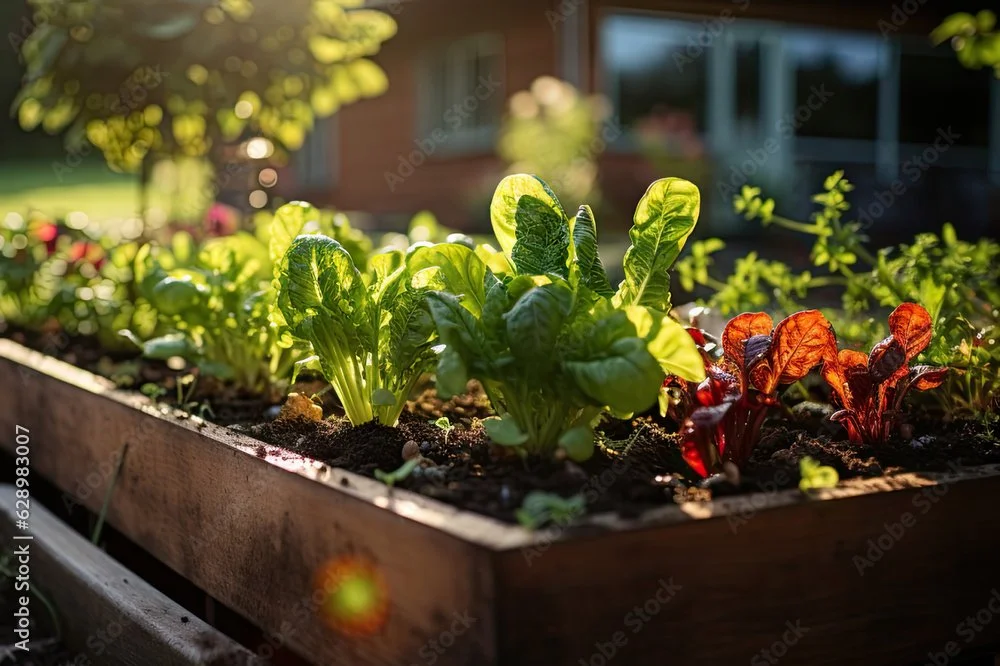
In every Reimagining kōrero we have had with Porirua, a simple idea emerged: that our communities should be “not far from the tree.” By this, we mean communities being closely connected to the source of kai, whether that is local growers, local shops, māra kai, or our own ability to produce and share kai. Whānau know where their kai comes from, how it is grown, and how it reaches their tables.
True kai security exists when that connection is strong; when all whānau can access nourishing, affordable, and culturally meaningful kai, and when the tree itself is healthy and able to sustain us.
And importantly, kai security is shaped by much more than kai itself.
It is about the conditions that surround it. Warm, stable housing, sufficient income, strong community networks, short and resilient supply chains, access to whenua, and the knowledge and confidence to grow and prepare kai. When these elements are present, communities move closer to the tree where they are connected to the source of their nourishment, rather than disconnected from it.
Yet for many whānau in Porirua, this connection is not guaranteed. For some whānau, this looks like skipping meals, relying on food support, or making trade-offs between kai and other essentials.
From immediate access to kai in times of need, through to building whānau and community capability, and ultimately to reshaping the systems that determine how kai is produced, distributed, and accessed. When time, energy, or stability are limited, having kai readily available can make an immediate difference. When basic needs aren’t met, everything else becomes harder.
At the same time, we see a clear tension in our community. We have local kai production, co-ops, and strong grassroots initiatives. And we also have hunger.
The opportunity in front of us is to reconnect, to shorten the distance between the tree and our whānau.
There is growing evidence that community-led solutions such as māra kai are part of the answer [1]. They do more than provide kai. They build kai literacy, strengthen connection to whenua, support wellbeing, and create local, sustainable food sources. They are a practical expression of kai sovereignty where communities have greater control over how food is grown, shared, and valued.
Community-led solutions also align strongly with the Regional Food System Plan [2], particularly the goal that everyone has the knowledge and opportunity to access healthy, local kai. This recognises that equitable access, urban and community growing, and kai literacy are all critical to regional wellbeing.
But no single organisation can deliver this alone.
Achieving kai security and moving further towards kai sovereignty requires kotahitanga. It requires us to act collectively, coordinate our efforts, and recognise that we are part of an interconnected system.
This is where collective impact matters.
In Porirua, Te Wāhi Tiaki Tātou is supporting improved access to kai by strengthening coordination across services and providers. By bringing together organisations working across the kai system, we are enabling shared learning, increasing visibility of what’s available, reducing duplication, and supporting more effective responses to whānau needs.
Our Kai Kaupapa Group is an expression of this.
It is a collective space focused on tackling barriers to access and shaping practical solutions for our whānau, while strengthening the wider kai system. It is also shifting the conversation from simply balancing the books, to balancing the food system, and ultimately restoring balance with te taiao.
Collective impact does not mean doing more. It means doing better, together.
It means aligning around a shared vision, using our respective strengths, and holding a collective responsibility for outcomes. It means building relationships that enable real change and ensuring that whānau voice continues to guide the work.
If this kaupapa resonates with you, we encourage you to read more about our first hui and consider how you might be part of this collective effort. Whether you are a provider, grower, funder, or community member, there is a role for you - www.porirualocality.co.nz/kai
Because when we work together, we move closer to a future where all our communities are not far from the tree.
Close to their source. Connected. Nourished. Thriving – Making Porirua the best place to raise a whānau.
References:
[1] Cultivating wellbeing: healing effects of an urban māra kai (community garden) in community housing in Aotearoa New Zealand
[2] Wellington Regional Leadership Committee — Regional Food System Plan