


ROCC
Resilience to Organised Crime in Communities
ROCC supports communities to respond to harm in ways that are locally led, socially grounded and enduring.
-
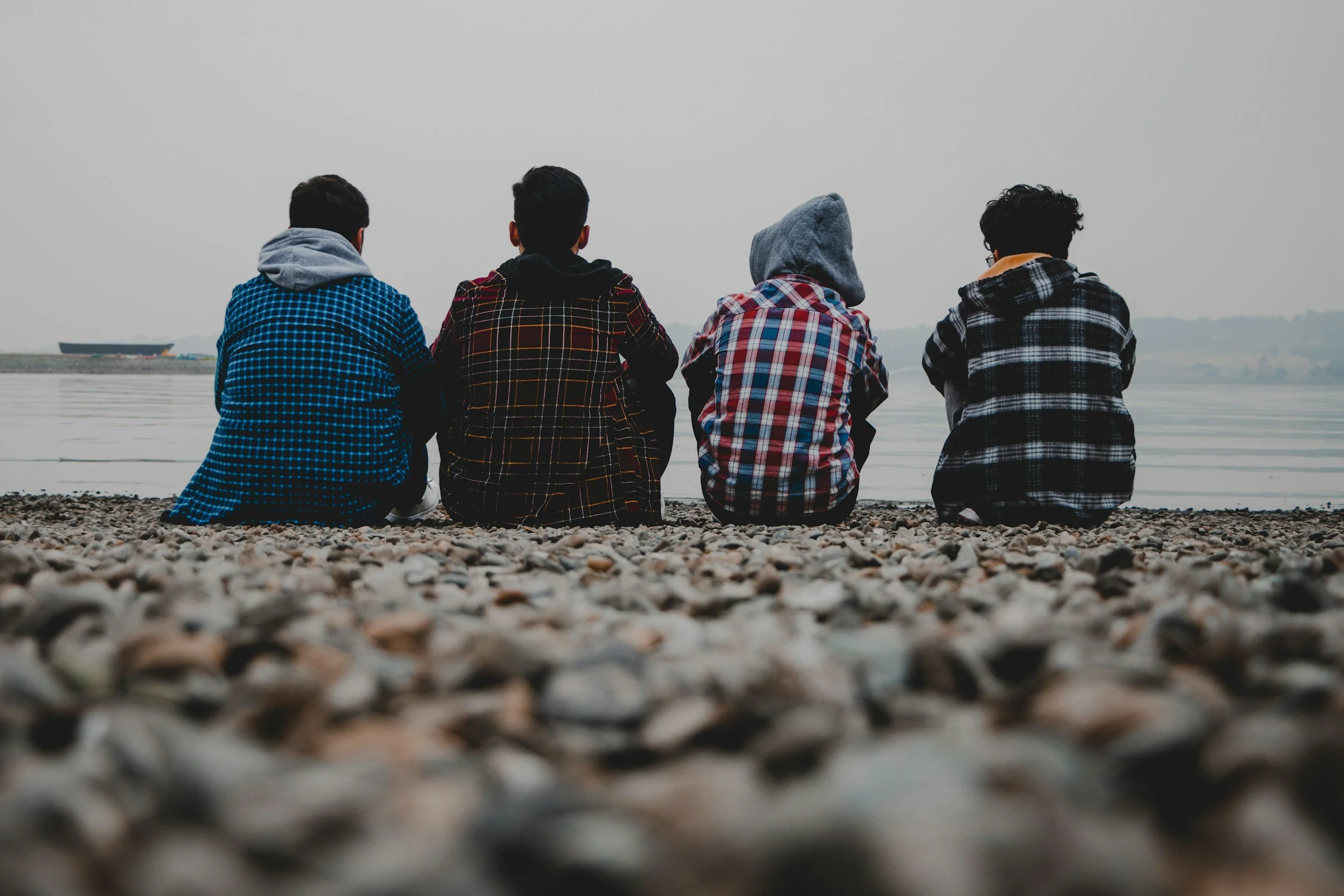
ROCC Initiative: Big Brothers Big Sisters
Big Brothers Big Sisters is the world’s largest voluntary Youth Mentoring organisation, in 14 countries around the world with 13 branches in Aotearoa.
They match volunteers with tamariki (aged 6 -12) who have faced adversity and need a role model and friend. The volunteers commit to spending a minimum of one hour a week with their match.
Big Brothers Big Sisters received funding through ROCC to support tamariki in Porirua. Read more in the case studies.
-
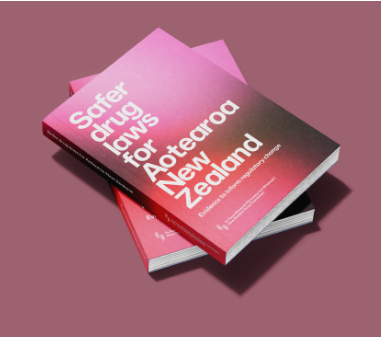
Safer drug laws for Aotearoa New Zealand
A major report proposes evidence-based reform to New Zealand’s drug laws in response to growing drug harm that the Drug Foundation says will worsen without action.
Safer drug laws for Aotearoa New Zealand, released by the Foundation at Parliament in October 2025 on the 50th anniversary of the Misuse of Drugs Act 1975, examines the impact of New Zealand’s drug laws and the growing evidence of law reform efforts overseas.
-
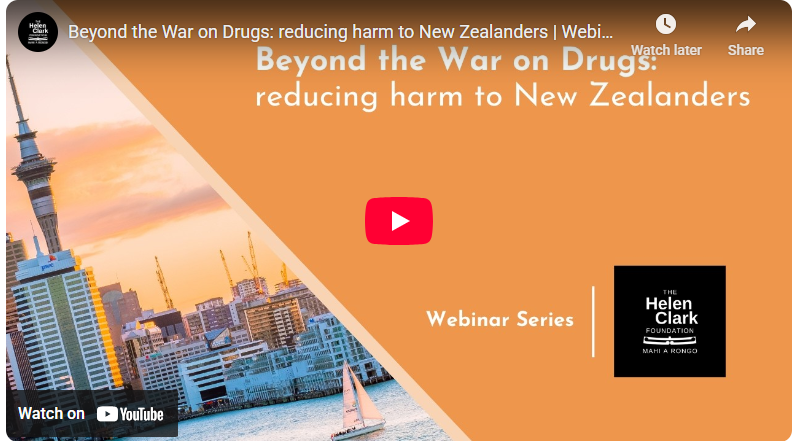
Beyond the war on drugs: Reducing harm to New Zealanders
For over 50 years, countries have largely been following a prohibition response to drugs with the idea that a ‘drug-free world’ is possible. Despite this, the global drug supply continues to increase, and become more volatile. Harm reduction takes a different approach, and aims to minimise the negative health and social consequences of drug use, without necessarily requiring that people are abstinent.
In this webinar hosted by The Helen Clark Foundation, experts discuss the status of harm reduction, and consider what would be needed to take a harm reduction approach to drugs in New Zealand.
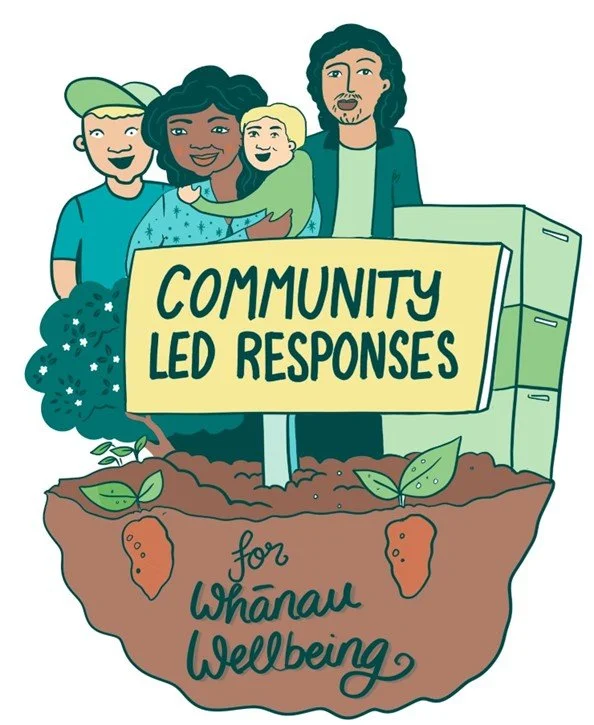
Porirua is part of the Resilience to Organised Crime in Communities (ROCC) work programme. ROCC is a Cabinet-mandated, multi-agency initiative designed to reduce the harms caused by organised crime.
ROCC supports communities to respond to harm in ways that are locally led, socially grounded and enduring. The programme recognises that enforcement alone is not enough and that lasting impact comes from working alongside whānau, iwi, and local organisations to address the drivers of harm.
The community have shared what is important to them through Reimagining Hui facilitated by Te Wāhi Tiaki Tātou. They have voiced their deep frustrations. "We’ve all known these problems for a long time and yet here we are in a community where our drug and crime problems are getting worse, not better."
Despite this, the community have been incredibly generous, sharing their lived experiences and emphasising that they need to be part of the solution. Their kōrero has produced recommendations that inform the ROCC work programme in Porirua.
ROCC has identified three cohorts who are impacted by the harms of organised crime:
Rangatahi: those who are impacted by or at risk of being impacted by methamphetamine and/or organised crime.
Those who use or are impacted by methamphetamine and its associated harms.
Vulnerable whānau: those who are at risk of engaging in or being the victims of organised crime.
Data That Tells a Story
Methamphetamine use in Porirua largely follows national trends. Methamphetamine use has increased since 2024 both nationally and in Porirua, but use in Porirua is below the national consumption rate.
MDMA and cocaine use in Porirua is generally low and remains below the national consumption rate.
Average Drug Consumption (mg/day/1000 people)
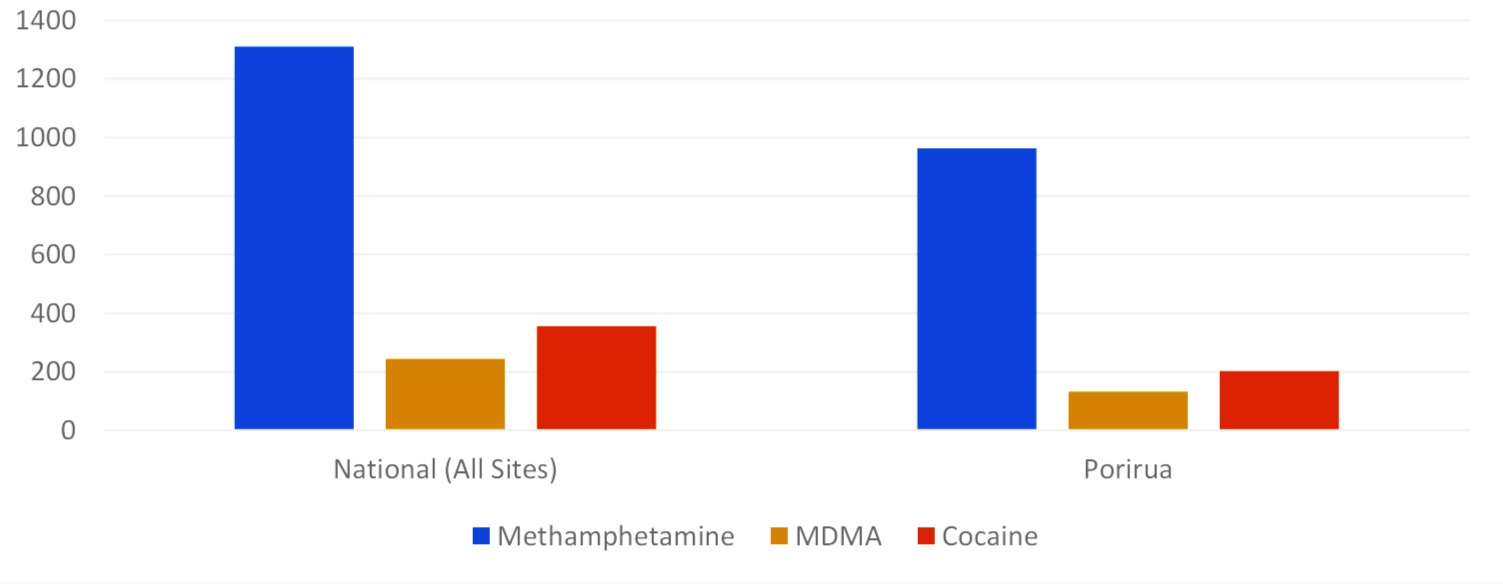
Average consumption rate per 1000 people in Q4 2025 (October – December 2025) for Porirua in comparison with the average national consumption rate across all sites. Source: National Drug Intelligence Bureau
Estimated Methamphetamine Consumption
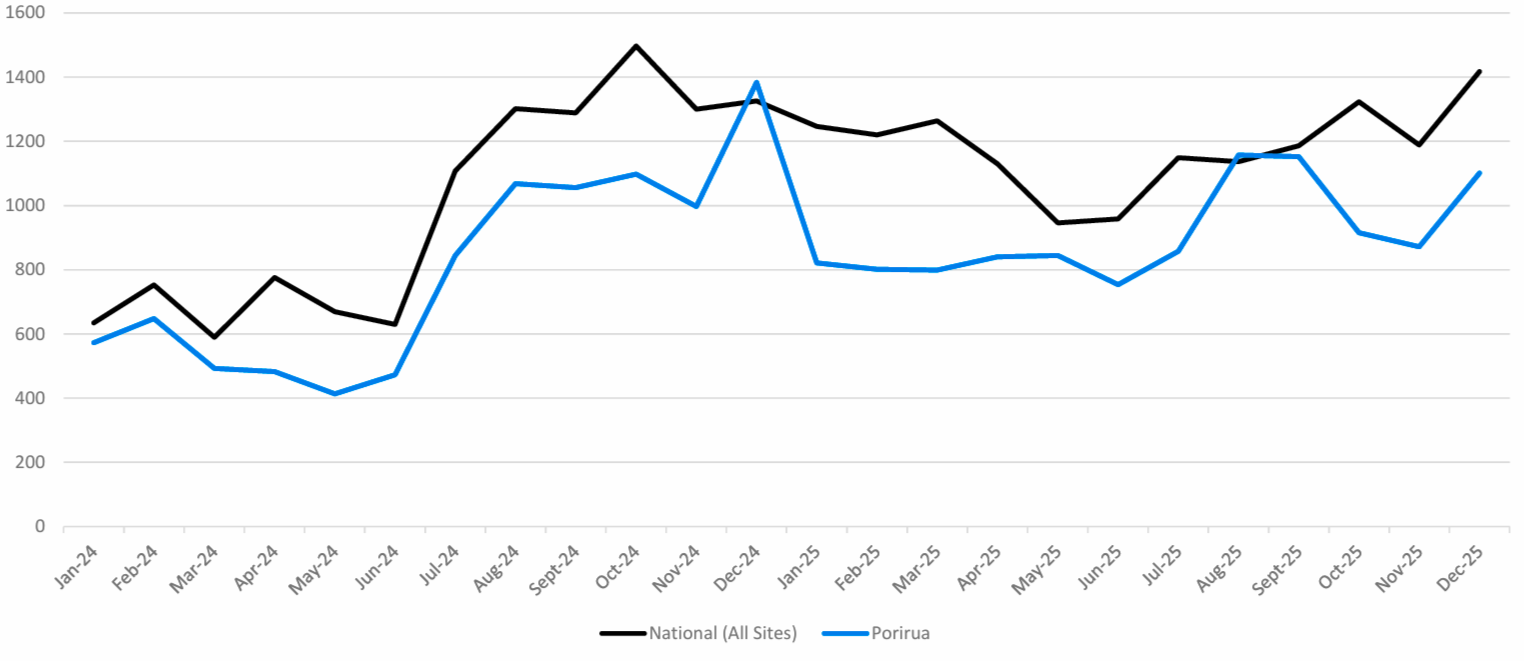
Estimated methamphetamine consumption per 1000 people in Porirua in comparison with the national consumption rate across all testing sites (mg/day/1000 people). Source: National Drug Intelligence Bureau
“Have my babies
grow up in a healthy
safe loving
environment seeing
them thrive”
“I grew up in a non
affectionate household
where drugs and alcohol
was the main priority over
me and my siblings, where
abuse was their only
solution”
“Dysfunction, no
stability, no routine,
living in survival mode”
The societal cost of methamphetamine use in Porirua
is over $600k per week.
That’s over $33 million a year.

These estimates are conservative and likely represent the minimum number of doses and associated costs. It has been calculated using the estimated average amount of each drug consumed over the12 months (Jan-Dec 2025) in Porirua. Source: National Drug Intelligence Bureau
Te Wāhi Tiaki Tātou is the link between Government agencies and our community turning kōrero into action. We amplify whānau voices, unite providers, and work with government to drive positive change for Porirua. Our work is distinct because it is truly community-led, built on deep, trusted relationships, and focused on practical, collaborative solutions. Our strength lies in our ability to connect directly with the Porirua community, ensuring that voices are genuinely heard and that solutions reflect local realities. Our solutions entail working with providers to strengthen the social infrastructure of Porirua so organised crime has less space to operate.
We also work with community providers that deliver services across the continuum of prevention, intervention and response. In the ROCC process, providers are not just service deliverers; they are stewards of community-defined priorities. There is a growing sense that success is shared and that providers all have skin in the game. Additionally, when funding decisions are anchored to priorities already identified by whānau with lived experience, providers don’t have to constantly reshape their mahi to fit external agendas.
Read more about the way in which ROCC funding decisions are made in our Op-Ed with Wesley Community Action.
What We Are Doing
Community Resilience and Whānau Support Fund
The Community Resilience and Whānau Support (CRWS) Fund aims to support the development and implementation of community-led responses to the harms caused or increased by organised crime.
Pathways to Healing
Te Wāhi Tiaki Tātou in partnership with Know Your Stuff NZ, launched Pathways to Healing – a harm reduction campaign focused on the wellbeing of individuals and whānau in Porirua.
Relational Engagement Framework
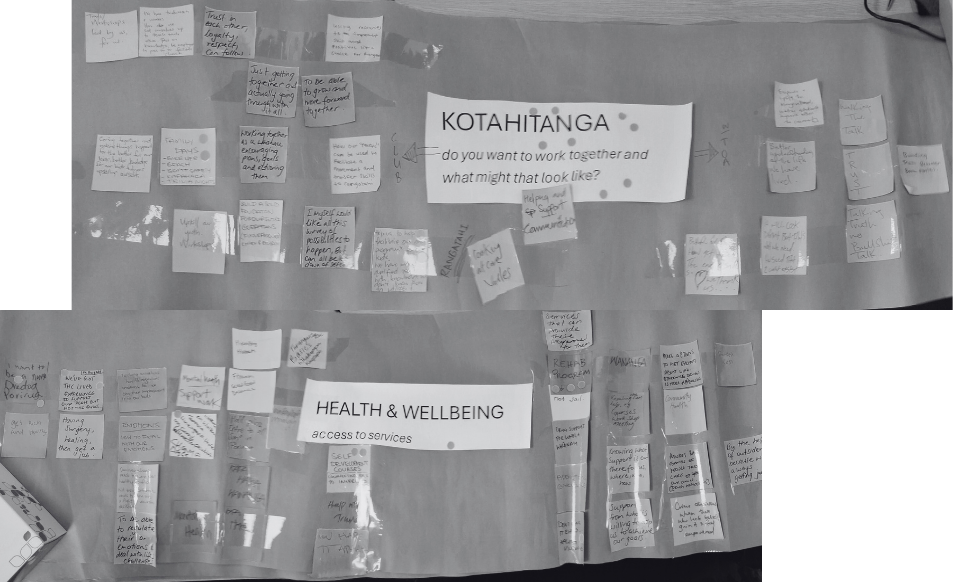
We are currently developing a Relational Engagement Framework with Mongrel Mob Porirua that sets out an approach to building and working within relationships. It recognises that meaningful engagement is not transactional or one-off, and is built over time through trust, shared understanding, and mutual responsibility.
Porirua moves forward because people like you step in. We need skills, time, and resources to keep the momentum going.
How Can You Help

Volunteers for workshops
Help facilitate conversations and keep sessions running smoothly.

Catering and kai
Sponsor food and drink for our next gathering.

Communications support
Design, write, or help spread the word about what we are doing.