

A Network That Responds When Needed
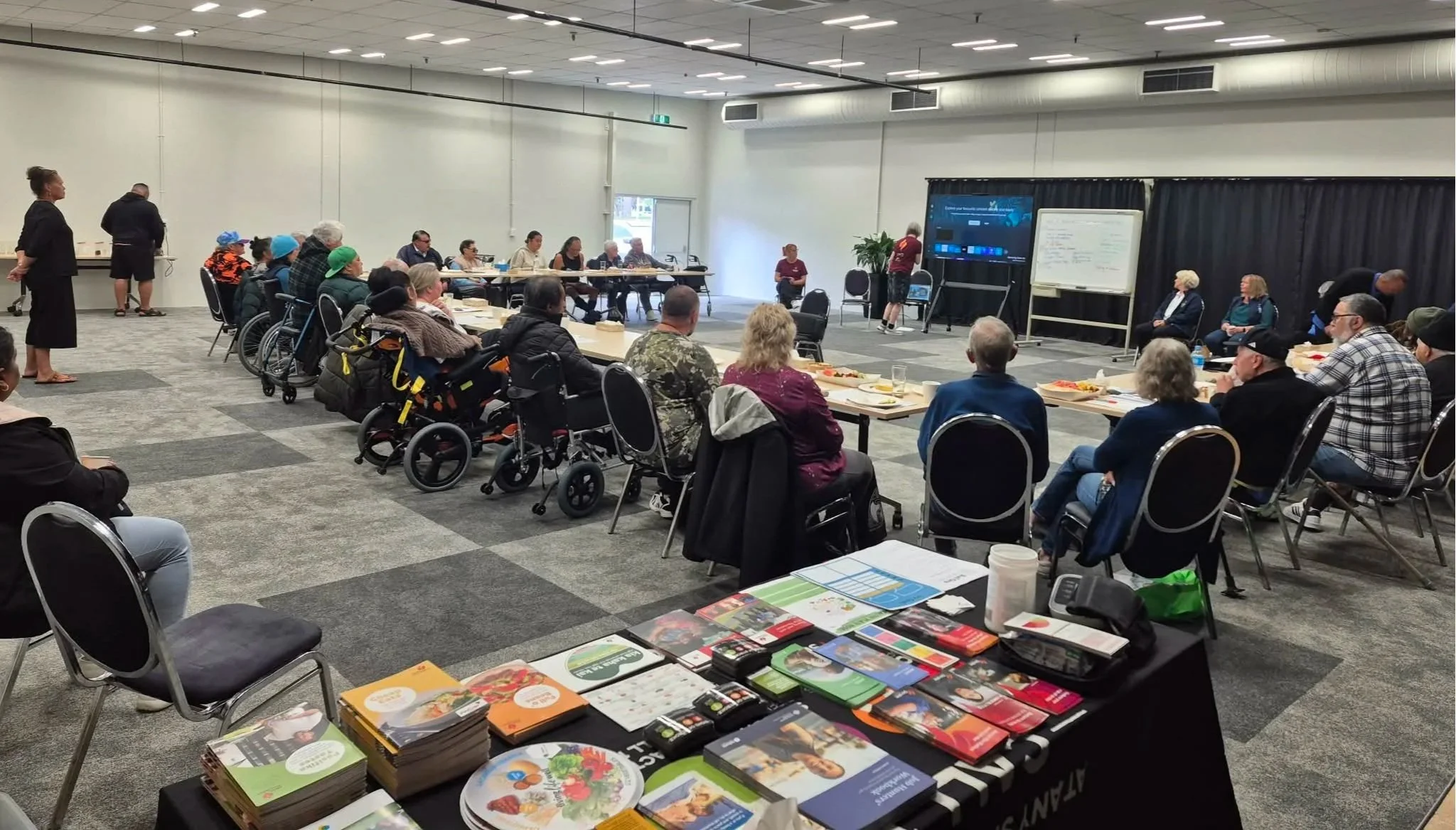
A case study shared by Maraeroa Marae Health Clinic
Whakawhānaungatanga IS the real business
How one hour of whakawhānaungatanga each month helped transform a gap in stroke support into coordinated action for Porirua whānau.
Community connectedness is often invisible until it is needed. It is the invisible fabric that helps hold communities together during times of disruption, uncertainty and change. Trusted relationships help people coordinate support more quickly and wrap the right services around those who need them.
Every month, providers from across Porirua invest one hour in Porirua Providers’ Cuppa & Connect. On paper, it looks like a networking hui. In practice, it is a space for whakawhānaungatanga - building the relationships, trust and understanding that make collaboration possible long before a need arises.
In busy agendas, whakawhānaungatanga can sometimes feel like something we work through before getting to the "real" business. This story from Maraeroa Marae Health Clinic reminds us that it is the real business.
Last year, Maraeroa Marae Health Clinic and Stroke Aotearoa New Zealand came together to address a gap in stroke support services in Porirua. Porirua Providers’ Cuppa & Connect helped turn that vision into reality.
Recovering from a stroke can affect every part of whānau life. Housing, income, transport, care and rehabilitation needs can change suddenly, often requiring support from multiple services.
Navigating that changing service landscape can be complex and time-consuming.
“We thought there must be a simpler way. There must be an easier way for us to help navigate whānau through this.”
Knowing Who to Call
One of the biggest challenges was knowing what support was currently available, who could take referrals, and who to contact.
“We discovered there was a huge disconnect between our services… we didn't really know what services were still actually providing support for stroke survivors.”
Funding changes. Contracts change. Kaimahi move on. Services reach capacity.
Through the Porirua Providers’ Cuppa & Connect, Maraeroa Marae Health Clinic and Stroke Aotearoa quickly built a practical understanding of the local service network - not just which organisations existed, but the people behind them and who they could approach.
Relationships Made It Easier to Ask for Help
As the Stroke Support Programme took shape the organisers realised they needed support and expertise from across the community.
Because relationships had already been built through Porirua Providers’ Cuppa & Connect, they didn’t have to start from scratch.
“We found everyone we needed there, and everybody showed up because of our connections.”
Around 20 providers contributed to the program, bringing the expertise stroke survivors and their whānau needed.
“If we didn’t have the Porirua Providers’ network we would have had to cold call people. We would have had to, you know, go door knocking.”
Instead, they knew exactly who to call and felt comfortable asking them to contribute.
Connection Accelerated Action
The strongest evidence of those relationships came in the speed at which the programme moved from planning to delivery.
“Within a month we were able to start slotting people into our programme. Without the relationships we'd built through Porirua Providers', it would have taken much longer. We already knew who could help, it was easy to ask, and people responded. Our stroke support programme was such a success because Porirua Providers' enabled us to build those relationships so quickly.”
Sometimes, the difference between identifying a need and being able to act on it is knowing who to call.
"To be able to walk into a room of 40 services who you know on a first name basis and say, ‘Hey, I need you,’ and have everyone turn up, well that was amazing."
The Stroke Support Programme shows what becomes possible when providers do not have to start from scratch every time a new community need emerges. People know who can help. Existing relationships make it easier to ask. The community responds.
The value of whakawhānaungatanga isn't measured by attendance at a hui. It's measured by what becomes possible because of those relationships.
For Maraeroa Marae Health Clinic and Stroke Aotearoa, one hour each month invested in relationships translated into faster action when it mattered most, helping stroke-affected whānau sooner.
This is what a network that responds when needed looks like. It isn't built during a crisis. It's built one conversation, one relationship and one hour at a time.
Thank you to Maraeroa Marae Health Clinic for sharing your story. It reminds us that every conversation, every connection and every relationship we build today strengthens our ability to support whānau tomorrow.